Branches and Stems Become Weak
Unmanaged hedges grow thick, heavy stems with an unbalanced structure. Over time sections split, fall outwards or break away, especially after wind or heavy snow.
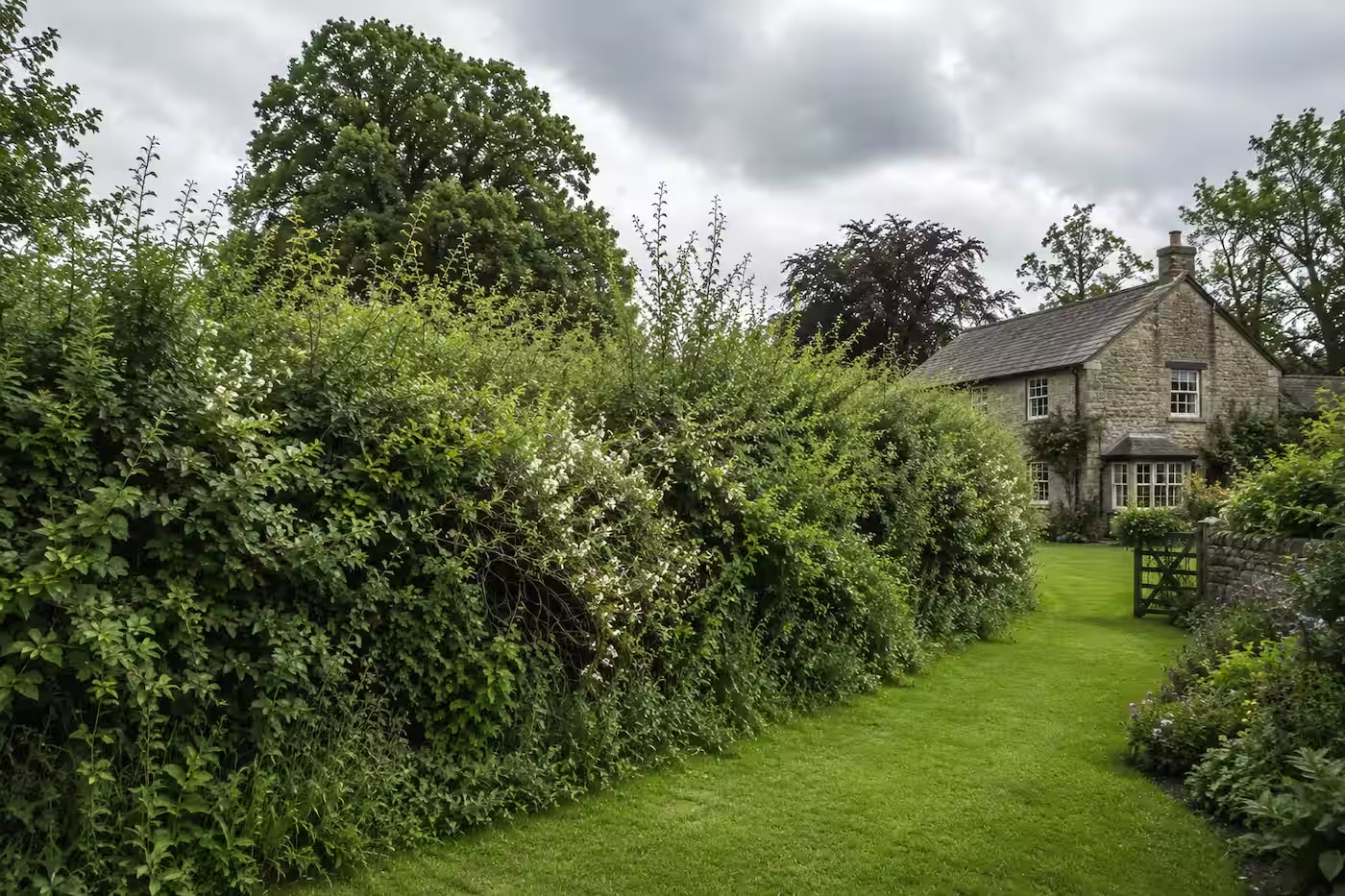
Hedge trimming for homes, landlords and businesses, from a routine yearly trim to a major reduction.
PROFESSIONAL HEDGE TRIMMING
Our hedge cutting covers all common species and sizes, done safely and tidily, with the clippings taken away.
Hedge trimming runs from a routine cut that keeps an established hedge neat, to a major reduction on growth left for years. The right approach depends on the species, its condition and what you need from it. A good trim encourages thick, bushy regrowth. One done at the wrong time, or cut back to the wrong point, can do damage that can't be undone.
People usually call us about Leylandii and other fast conifers that have got too big, formal hedges of yew, laurel or beech that need careful shaping, and boundary hedges that have spread next door or blocked the light. We work with all common hedge species across Carlisle and Cumbria and advise on timing and approach before any cutting starts.
Hedge trimming is part of our tree surgery service. For trees in or behind the hedge, see tree pruning and crown reduction. If the hedge needs to go altogether, we take it out roots and all as part of site clearance.
Hedge Trimming
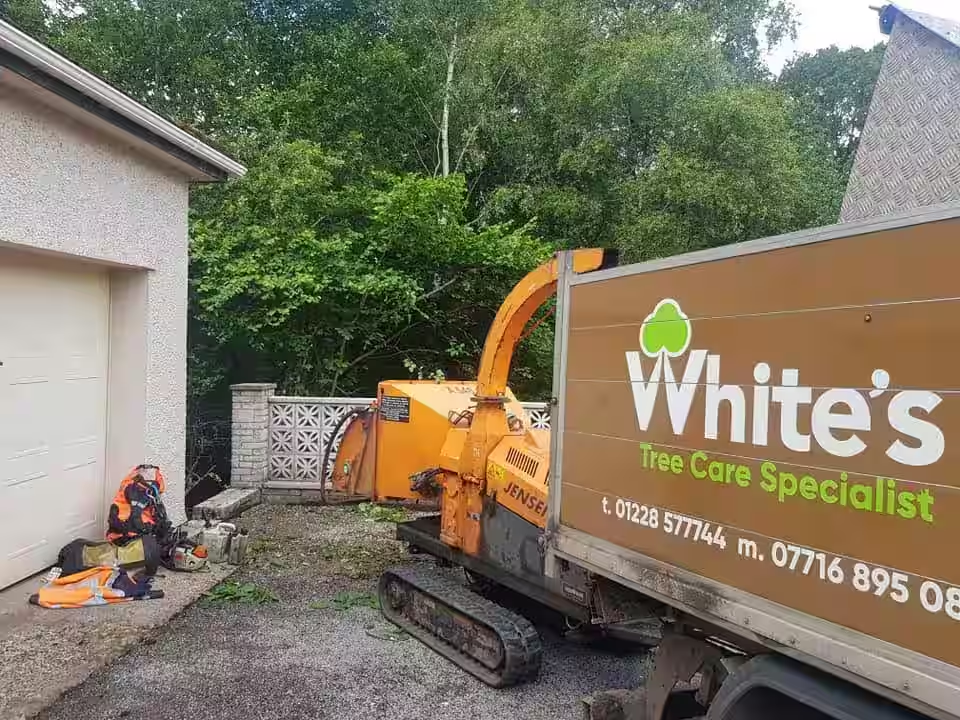
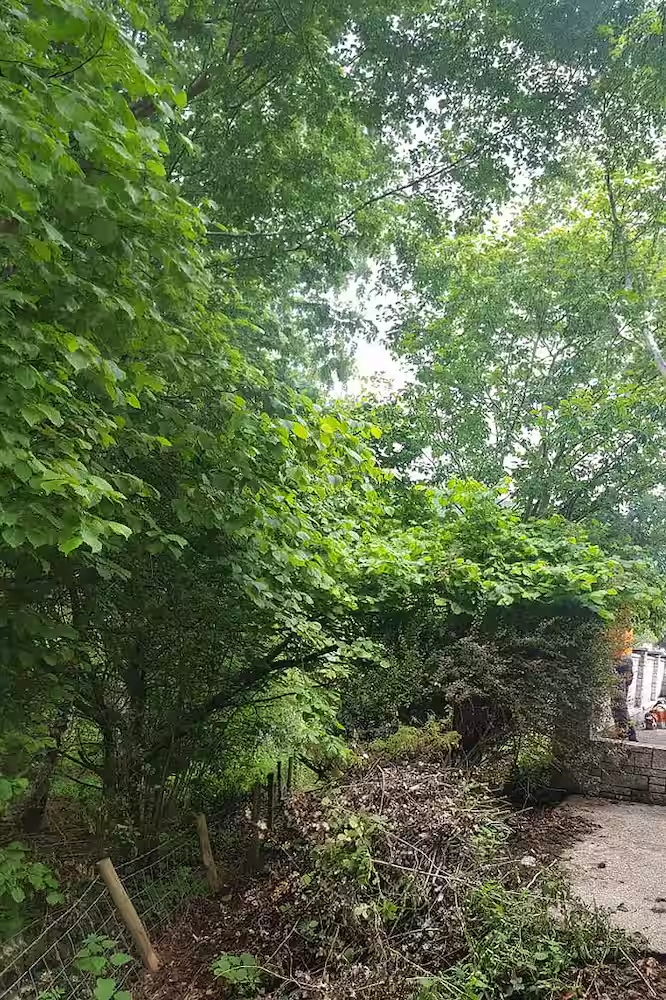
Hedge trimming is simpler than most tree work, but it is easy to get wrong and the damage can be permanent. Here's what it involves, who should have it done professionally, and why timing and species matter.
Cutting, shaping or reducing hedges to keep them looking right, healthy and doing their job. Regular trimming keeps growth dense and stops bare patches. A reduction brings an overgrown hedge back under control. Removal clears hedges that are no longer wanted. We use powered and hand tools to suit the species and the job, always with the hedge's long-term health in mind.
Homeowners with garden hedges to keep tidy or bring back under control. Landlords and property managers with hedges along boundaries and access routes. Businesses with formal hedging that needs regular cutting. Anyone with a Leylandii or fast conifer that has got well ahead of them.
Most hedges need cutting once or twice a year to look right and grow well. Fast conifers often need more cuts in the growing season. An overgrown hedge can be reduced at the right time of year to bring it back into shape. We advise on timing at the site visit, especially around the bird nesting season.
Cutting Leylandii back into the brown, dead zone can't be reversed, as the hedge will not regrow from there. Yew and other formal hedges need precise, even cutting to hold their shape. The wrong timing on the wrong species causes lasting damage. We check the species and condition before anything is touched, and we have the kit to work safely at height on big hedges.
Why it matters
Neglected hedges don't look bad overnight. They spread slowly, shade more each year and get harder to bring back. Here's what tends to happen when a hedge is left.
Unmanaged hedges grow thick, heavy stems with an unbalanced structure. Over time sections split, fall outwards or break away, especially after wind or heavy snow.
Leylandii grows up to a metre a year. A hedge that looks fine in spring is a lot taller by autumn. The longer it is left, the bigger the reduction and the fewer your options.
A hedge that blocks a neighbour's light can lead to a formal complaint under the Anti-social Behaviour Act. High hedges are their own legal category, and the council can serve a notice requiring you to reduce it at your own cost.
A hedge taller or wider than it needs to be throws extra shade, harming the lawn and borders beside it. Dense growth inside the hedge also cuts airflow and encourages disease.
Cutting into the brown, dead zone of a conifer hedge can't be undone. The hedge won't regrow from that point. Knowing when and where to cut matters more than most people think.
A hedge cut every year stays quick and easy to trim. One left for several years needs far more work, and sometimes sections have to be replaced. Regular cutting is always cheaper in the long run.
WHAT'S INCLUDED
We start by looking at the hedge: species, condition, height and access. You get a written quote and nothing starts until it is agreed. On the day we check for nesting birds, cut to the right point for the species and take every clipping away.
We assess the hedge species, height, width and condition. Written quote before anything is booked.
We confirm the right time of year for the species and check for active nests before work starts.
Long-reach cutters for tall hedges and hand tools where the shape needs care, for a clean, even finish.
We know where to cut on each species to get healthy regrowth and avoid dead zones.
Clippings cleared and taken away on the day, or chipped on site where access and volume allow.
We tell you how often the hedge needs cutting and point out any disease, pest damage or bare patches to watch.
Testimonials
Rated 5.0 stars by customers across Carlisle & Cumbria
★★★★★
“Absolutely brilliant service. Quick response and the boys turned up and got on with the difficult job of cutting my tree into firewood for our fire, it was very impressive. Fantastic and I would not hesitate in using them again. Absolutely marvellous”
★★★★★
“Excellent, friendly job. This is the second time I have used Joe and I have engaged him for a third job in a couple of weeks. No fuss. No problem. No mess. Job done. First class. A pleasure to deal with.”
★★★★★
“Joe came round to trim some trees for my Nana. Very friendly and professional service. Would recommend.”